If you teach Tuesday at one community college, Wednesday at a university, and Thursday at a private institute, your typing hardware needs to remember everything you've taught it. The best cloud sync keyboards adjunct professor multi campus workflows demand combine onboard profile memory, cross-device pairing, and travel-grade chassis so your macros, layouts, and shortcut layers follow you between podiums. This 2026 guide explains what to look for, ranks the features that actually survive trunk-of-the-car commutes, and pairs the right keyboard category with travel-ready wireless mice that round out a roving teaching kit. We focus on real Amazon-available gear, honest battery numbers, and what matters on lectern desks.
Why cloud sync matters when you teach across three campuses
Adjunct life means living out of a backpack. You walk into a smart classroom, a media-cart laptop, or sometimes a lectern PC whose IT department locked down install permissions years ago. A keyboard that syncs its profile to the cloud — or stores it onboard so it travels with you — eliminates the 90-second scramble of "where did I save my grading macros." Whether you're switching between a Surface at one campus, a MacBook at another, and an iPad for a satellite course, the right keyboard becomes the one piece of consistent muscle memory in your week.
The phrase "cloud sync" in this category refers to one of two things: keyboards whose companion software (Logi Options+, Keychron Launcher, ZSA Oryx) syncs custom layouts to your account, or keyboards with onboard memory that hold the profile in the keyboard itself. Both solve the same problem for a roving adjunct — your shortcuts ride along, regardless of which podium PC you're standing at this morning.
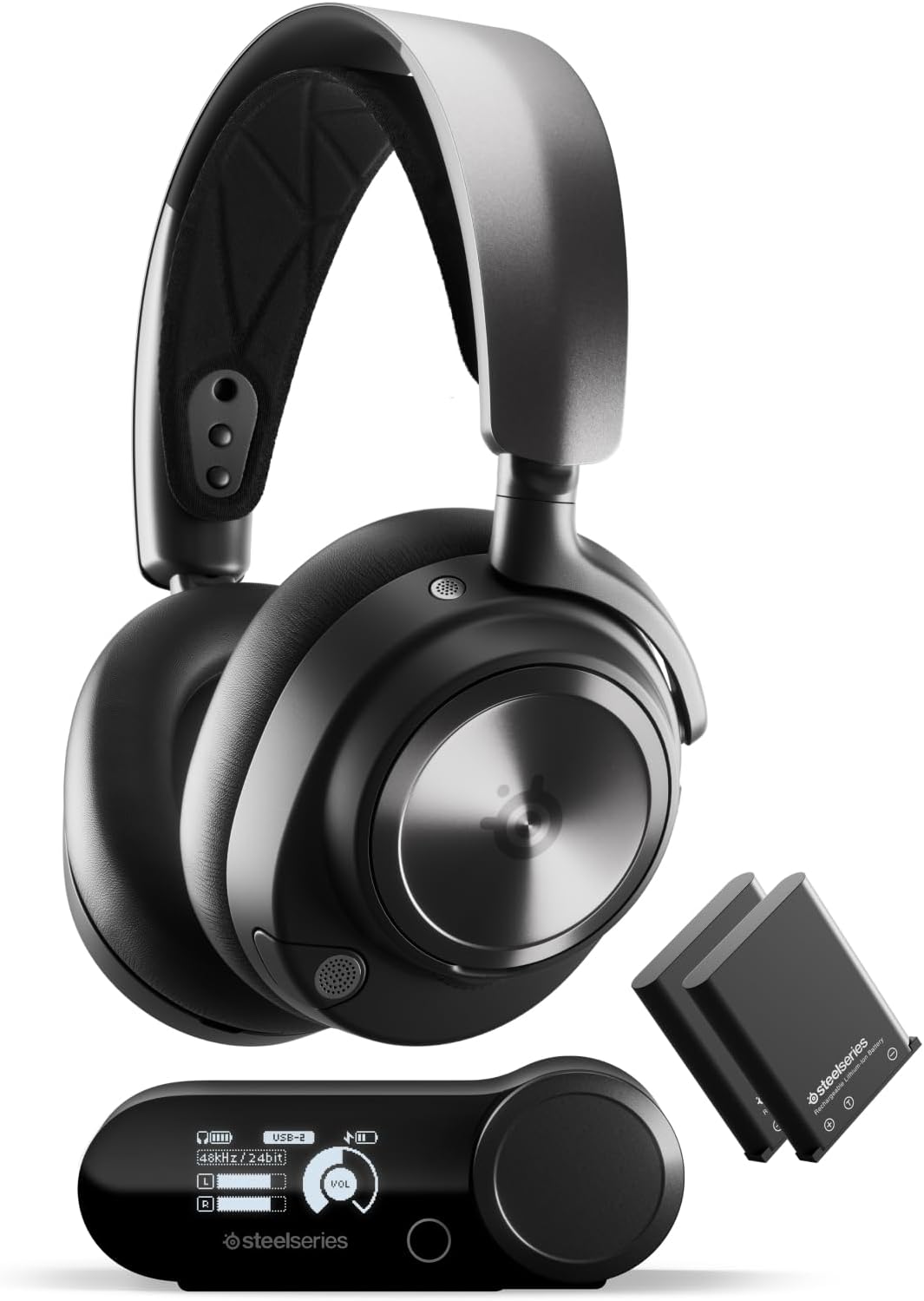
What to look for in a cloud sync keyboard for multi-campus teaching
- Multi-device pairing — Bluetooth with at least three saved devices so you don't re-pair at every podium.
- Onboard profile memory — saves macros even when the classroom PC blocks software installs.
- Compact 65% or 75% layout — fits in a laptop sleeve and leaves room on the lectern for notes.
- USB-C wired fallback — for lecterns where Bluetooth is blocked by IT policy.
- Quiet switches — silent linears or low-profile tactiles; nobody wants clacky Cherry Blues during a written exam.
- 1–2 month battery — you will forget to charge it during finals week.
- Layout export — JSON or VIA exports you can back up to your own cloud, in case the vendor's service disappears.
Why pair your cloud sync keyboard with the right mouse
Most adjunct gear lists obsess over the keyboard and forget the pointing device. But if you're advancing slides, annotating PDFs in OneNote, and grading rubrics in Canvas back-to-back, a sluggish or finicky trackpad costs more time per week than a misconfigured macro. The mice below are picked for the same criteria that drive the keyboard category: long battery life, fast device switching, and small enough to live in a laptop sleeve. Three of them sync DPI profiles to the cloud through Logitech G HUB, which mirrors the workflow you already love on a profile-syncing keyboard. Together they form the complete cloud sync keyboards adjunct professor multi campus loadout for 2026.
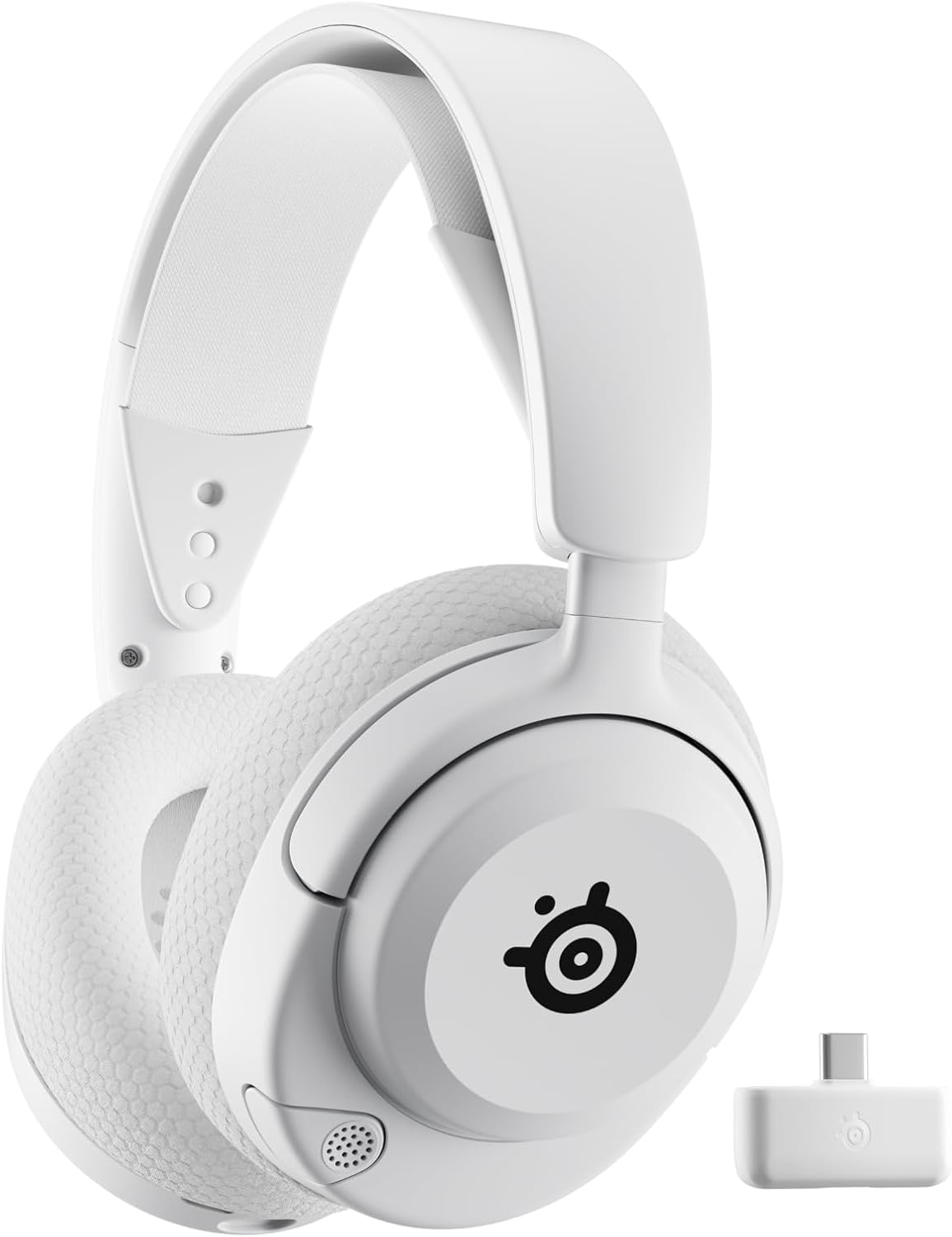
Travel mouse comparison for roving faculty
| Mouse | Weight | Battery | Cloud profiles | Best for |
|---|---|---|---|---|
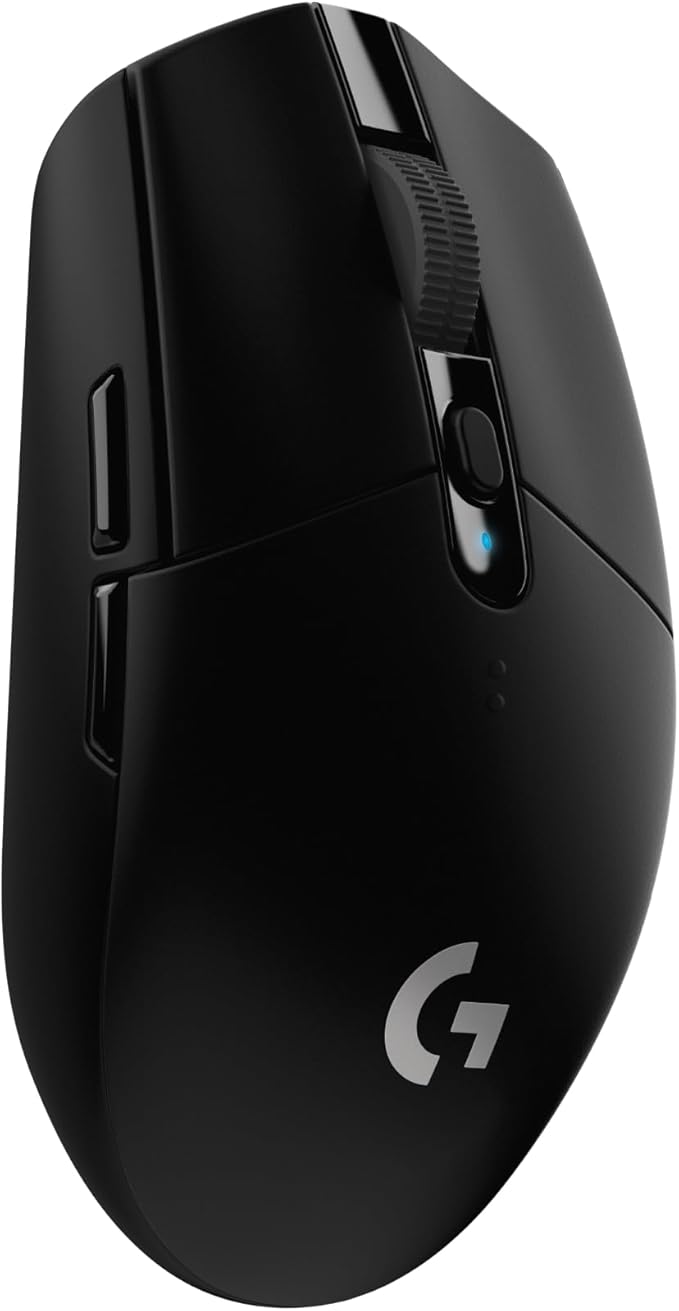
| Logitech G305 Lightspeed | 99 g | ~250 hrs (AA) | Yes (G HUB) | Backpack carry, no charger needed |
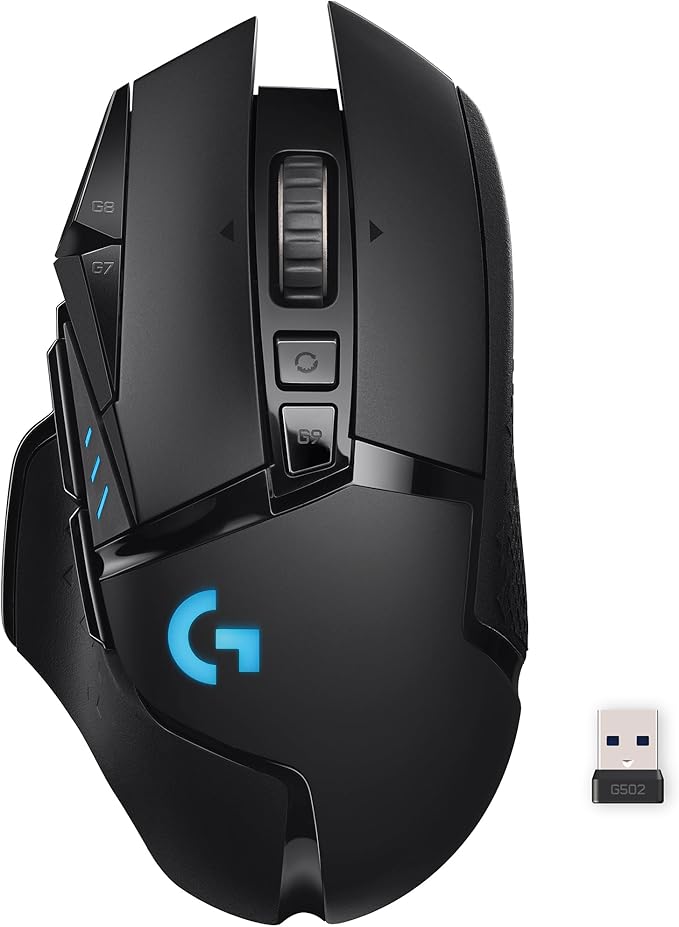
| Logitech G502 Lightspeed | 114 g | ~60 hrs | Yes (G HUB) | Power users with side-button macros |
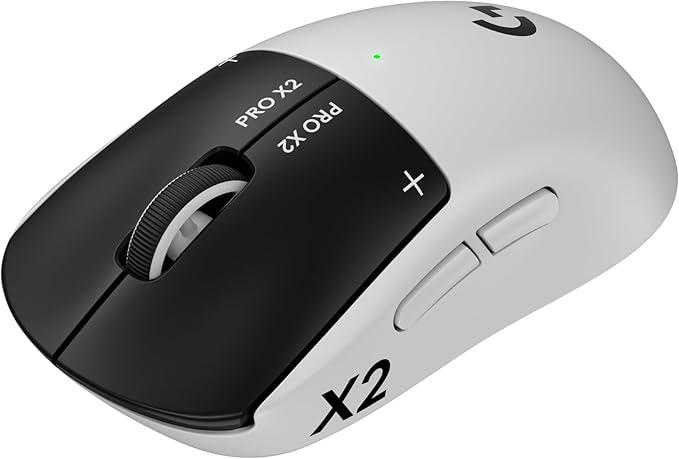
| Logitech G PRO X2 Superstrike | ~60 g | ~95 hrs | Yes (G HUB) | Featherweight precision, silent clicks |
| Amazon Basics 2.4 GHz Wireless | ~75 g | ~12 months (AA) | No | Backup mouse for the glovebox |
Top mouse picks to complete your roving teaching kit
Logitech G305 Lightspeed — the adjunct's favorite travel mouse
If you teach across three or more campuses, the G305 is the obvious pairing for a cloud-sync keyboard. It runs on a single AA battery for roughly 250 hours, which means a single Costco-pack of batteries gets you through an entire academic year without ever hunting for a charging cable in a strange classroom. The Lightspeed wireless dongle is a tiny USB-A plug — keep it permanently in the laptop you actually teach from and the mouse pairs in under a second. DPI profiles save to Logitech G HUB and follow your account between machines, the same logic that makes cloud sync keyboards adjunct professor multi campus workflows so practical. View the Logitech G305 on Amazon.
Logitech G PRO X2 Superstrike — for the iPad-and-laptop hybrid teacher
If your kit is already minimalist — an iPad Pro plus an M-series MacBook — the PRO X2 Superstrike fits the philosophy. It's whisper-quiet (important when you're clicking through slides during a silent reading period), and the rechargeable battery comfortably covers a multi-week commuting schedule. Profiles store onboard, so even when you're plugged into a lab Mac that blocks G HUB installs, your DPI and button bindings come with you. The flagship sensor is overkill for grading, but the latency means cursor movement feels identical whether you're at your kitchen table or a temperamental lectern. View the Logitech G PRO X2 Superstrike on Amazon.
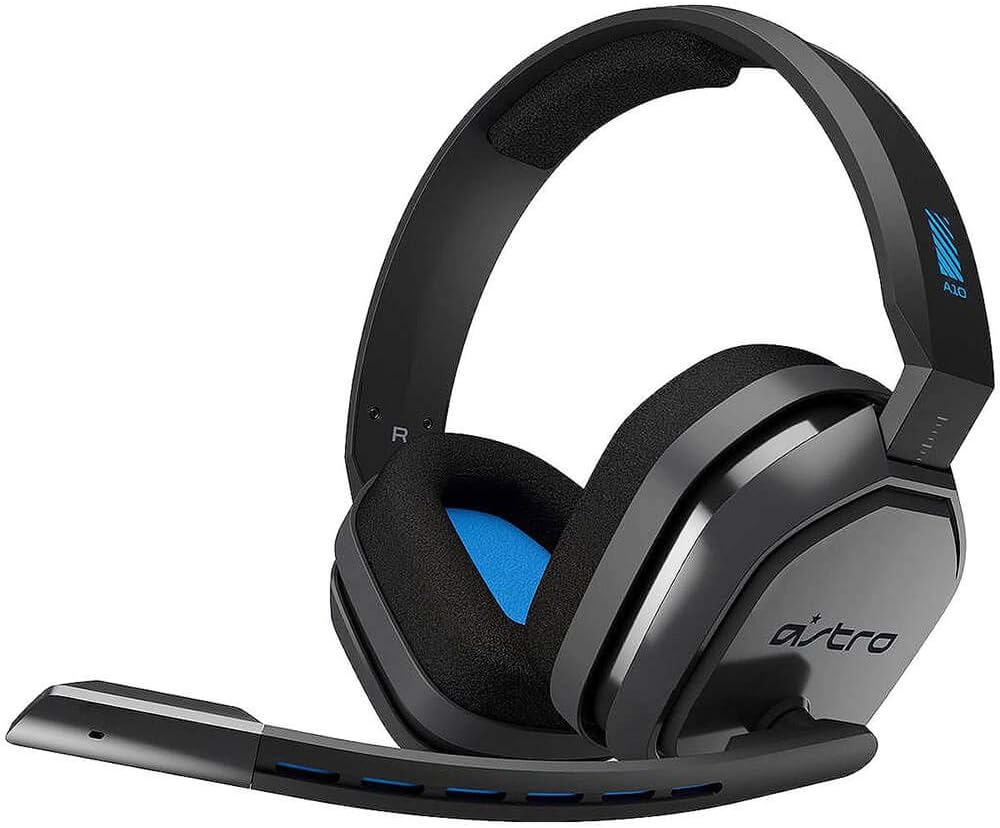
Logitech G502 Lightspeed — for the power-user adjunct who grades in bulk
Grading 120 essays a week? The G502's eleven programmable buttons let you map "next assignment," "rubric template," and "feedback bank #3" to the thumb cluster. It's heavier (114 g) than the G305 and pricier, but if you treat your grading sessions as serious work blocks, the macro real estate pays for itself by Sunday night. Pair it with a cloud-sync keyboard that holds your Canvas or Blackboard shortcuts and your weekly grading time drops by hours. The adjustable weight tray also helps you dial in comfort across the wildly different desk heights you'll encounter on a multi-campus rotation. View the Logitech G502 Lightspeed on Amazon.
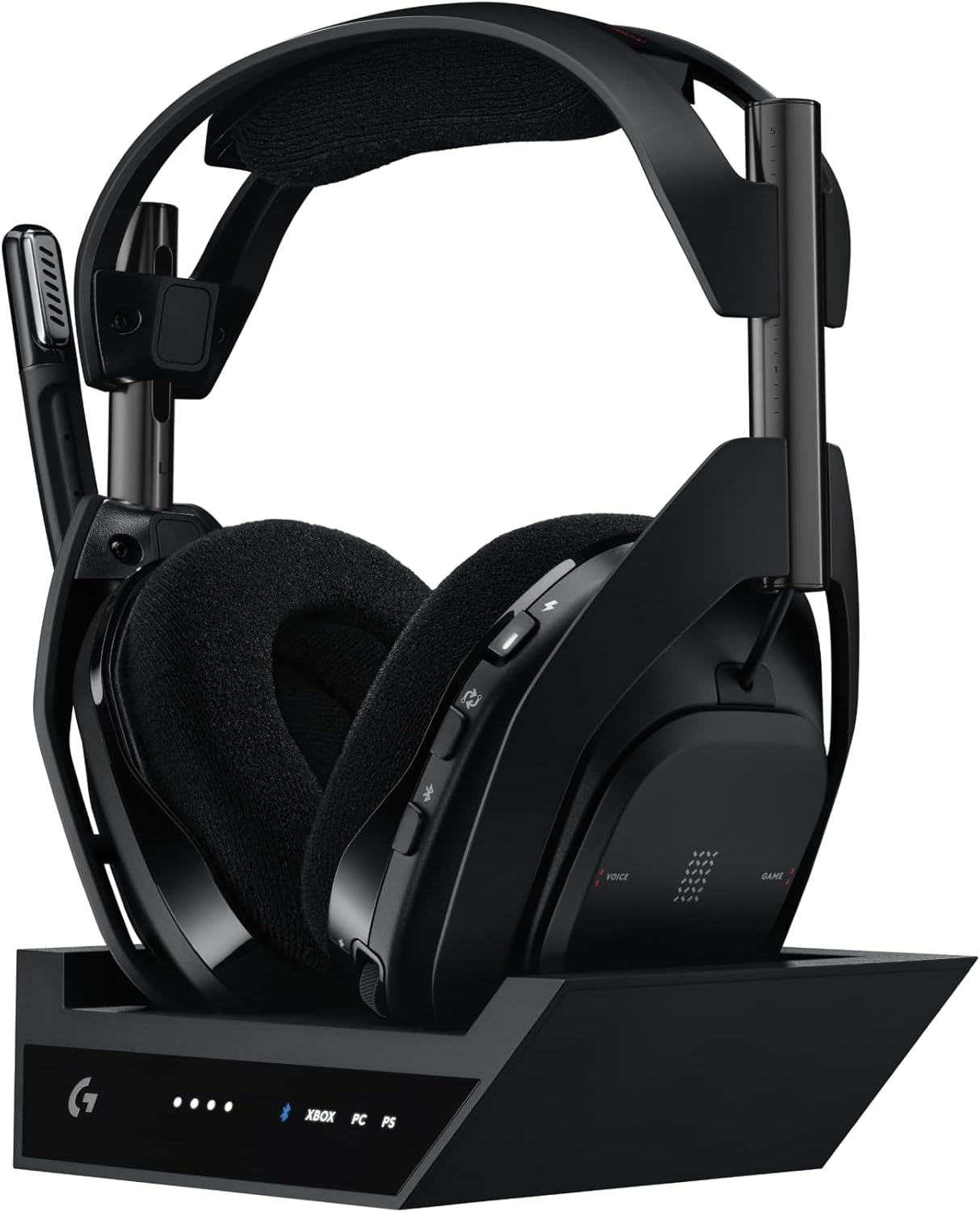
Amazon Basics 2.4 GHz Wireless Mouse — the glovebox backup
Every roving adjunct should keep a cheap mouse in the car. The Amazon Basics wireless uses a single AA, ships with a tiny USB-A dongle, and lives forever in the side pocket of a bag for the inevitable morning you realize your primary mouse is still on the kitchen table. Nothing fancy — just insurance against the day a class of 40 freshmen is waiting and your G305 dongle is in yesterday's jacket. View the Amazon Basics Wireless Mouse on Amazon.
Building the complete roving teaching kit in 2026
A working setup for the cloud sync keyboards adjunct professor multi campus reality looks like this: a 65% or 75% Bluetooth mechanical keyboard with onboard profile memory (the Keychron K3 Pro, Logitech MX Mechanical Mini, and NuPhy Air75 V2 are the category leaders in 2026), one of the Logitech mice above, a braided USB-C cable as wired fallback, and a slim sleeve that holds it all next to a 13–14" laptop. The total kit weighs under three pounds and fits in the front pocket of a teaching backpack.
For software, install your keyboard's companion app on every machine where you have admin rights — usually your personal laptop and at least one office workstation. For lecterns where you can't install software, the onboard memory carries your most-used layer. The cloud sync layer matters most when you swap to a new laptop entirely (sabbatical replacement, IT refresh, theft) — your two years of layout iteration restore in 90 seconds instead of being rebuilt from scratch.
If you also need recommendations for travel audio for office hours over Zoom, see our guide on best Bluetooth headsets for online office hours. For your home grading station, see best ergonomic mice for grading marathons. And if your laptop bag is bursting, check our roundup of the lightest mechanical keyboards under one pound.
Frequently Asked Questions
What does "cloud sync" actually mean on a keyboard?
It means your custom layout, macros, RGB profile, and key bindings save to a cloud account (Logi Options+, Keychron Launcher, VIA cloud, ZSA Oryx) so they restore on any computer where you log in. On budget keyboards, "cloud sync" sometimes really means onboard memory — the keyboard stores the profile internally and carries it between machines without an account. For an adjunct switching between three campus PCs, onboard memory is often more useful because most classroom PCs block app installs.
Can a cloud sync keyboard work on locked-down classroom computers?
Yes, if it has onboard profile memory. Configure the keyboard once on your personal laptop, save the profile to the keyboard itself, and plug it into any locked classroom PC via USB or pair via Bluetooth. The keyboard's firmware handles your macros even when the host machine forbids software installs. This is the single most important feature for adjuncts teaching at institutions with restrictive IT policies, and it's worth paying $30–$50 extra to get a model that supports it.
How many Bluetooth devices should a multi-campus keyboard support?
Look for at least three. A typical roving adjunct rotates among a personal MacBook, a campus-issued PC, and an iPad or phone for grading on the go. Keyboards that support 3–4 paired devices with hot-key switching (Fn+1, Fn+2, Fn+3) save a ridiculous amount of friction compared with re-pairing every time you sit down at a new podium.
Are mechanical or low-profile keyboards better for travel between campuses?
Low-profile mechanical (Choc, Kailh low-profile, Logitech MX Mechanical low-profile) is the best compromise for traveling adjuncts. You get the tactile feedback that makes long grading sessions less fatiguing, but the chassis is thin enough to slip into a 14" laptop sleeve. Full-height mechanicals are too thick for most laptop bags; pure membrane keyboards lack the tactile feedback that helps you type accurately on unfamiliar desks.
What's the best mouse to pair with a travel keyboard for adjunct work?
The Logitech G305 Lightspeed remains the top pick in 2026 for sheer practicality: AA battery (250 hours), tiny USB-A dongle, and cloud profile sync through G HUB. If you want a rechargeable option with a bigger thumb-button cluster for grading macros, step up to the G502 Lightspeed. For minimalist setups, the PRO X2 Superstrike is featherweight and silent enough to use in the back of a quiet classroom.
How do I back up my keyboard layout in case the keyboard dies?
Export the layout file from your companion software (Keychron Launcher exports JSON; Logi Options+ uses cloud account backup; ZSA Oryx versions every change automatically). Save the export to your personal cloud drive — Google Drive, OneDrive, iCloud — alongside your syllabi. When you eventually buy a replacement keyboard, you import the layout in under a minute. Don't trust the manufacturer's cloud as your only copy; vendors discontinue services without warning.
Is cloud sync ever a security risk on a campus network?
The sync happens between your keyboard's companion app and the vendor's cloud, not directly through the campus Wi-Fi to your keyboard. As long as you use a reputable vendor (Logitech, Keychron, ZSA, Glorious) and avoid sketchy white-label firmware, the risk profile is comparable to using any other cloud-sync software like OneDrive or Dropbox. Most institutions allow it without issue, though FERPA-bound macros containing student names should never live inside a keyboard profile in the first place.
Key Takeaways
- Choosing the right cloud sync keyboards adjunct professor multi campus means matching capacity and output ports to your actual devices
- Always check actual watt-hours (Wh), not just watts — runtime depends on Wh, not peak output
- Also covers: multi device keyboard professor
- Also covers: best keyboard for adjunct faculty
- Also covers: sync profiles roaming professor
- Compare price-per-Wh across models to find the best value for your budget