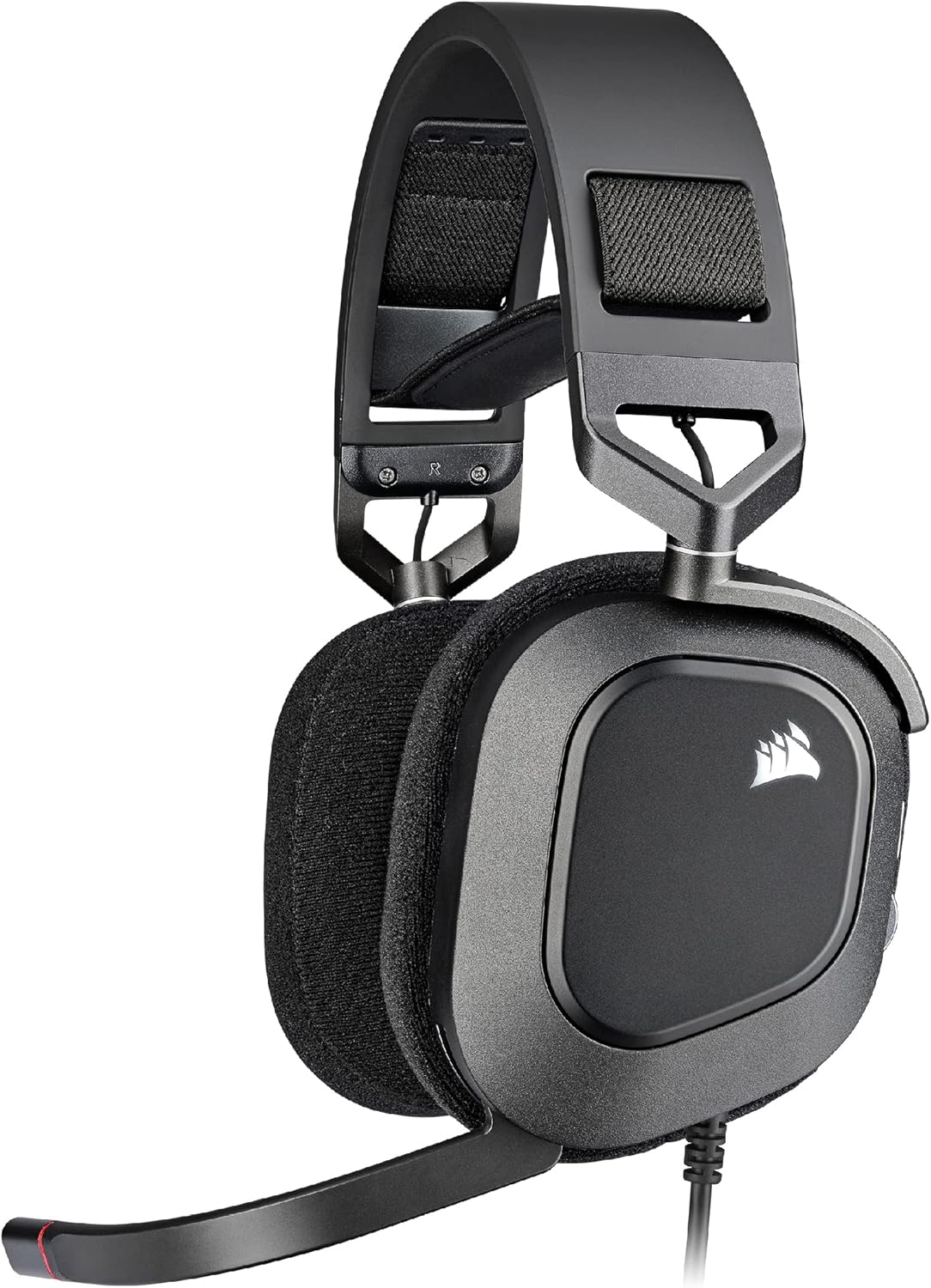
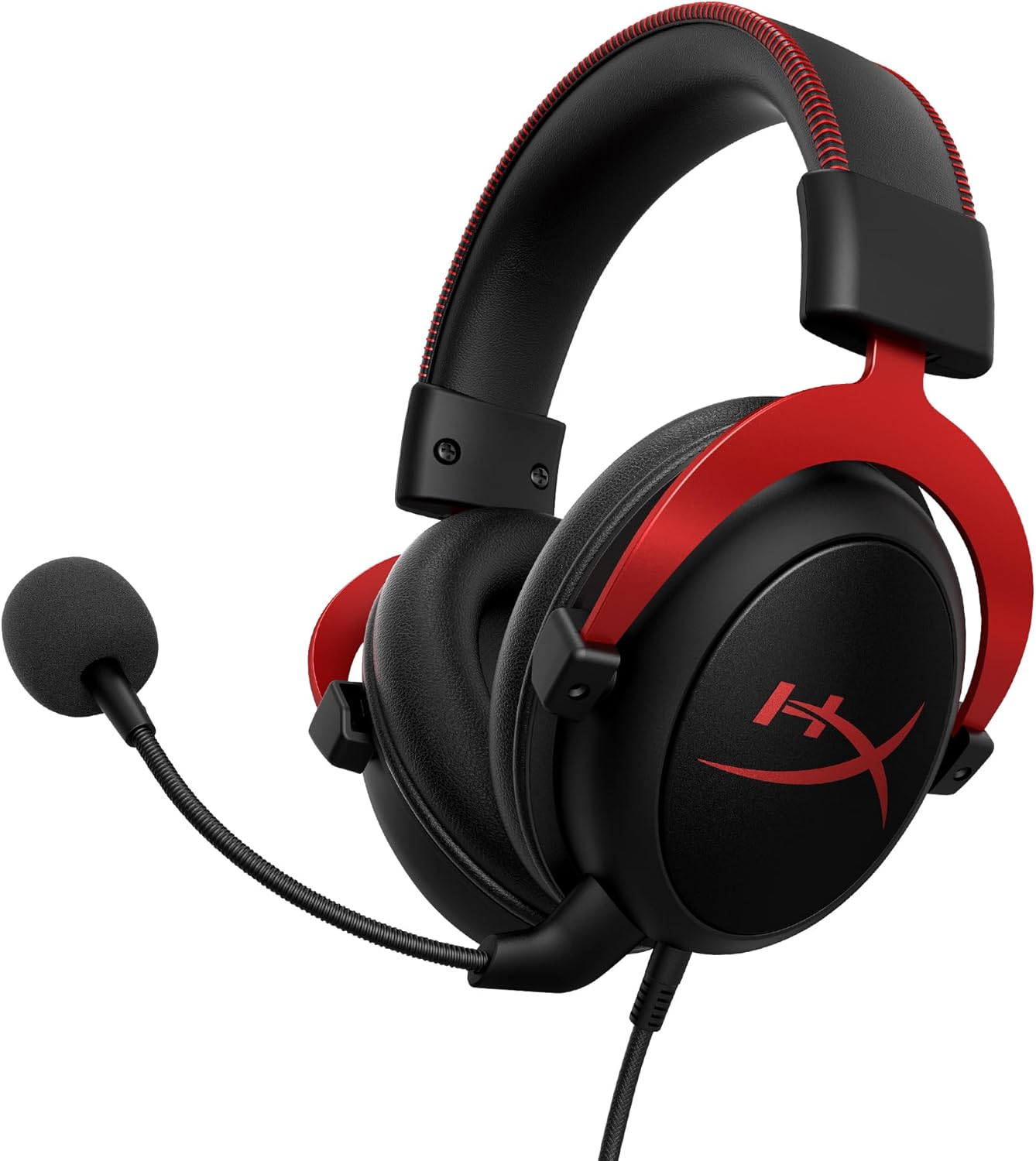
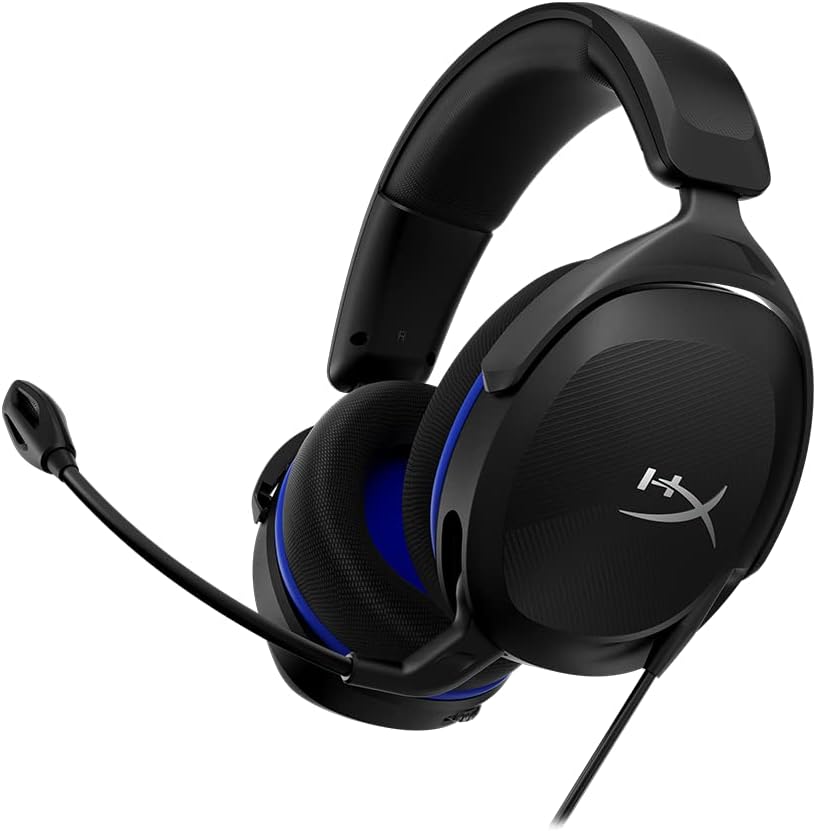
For 2026 field day operators hunting a comfortable, isolating headset that pulls weak signals out of a noisy outdoor environment, the sennheiser game zero for ham radio field day is one of the most consistently recommended choices on the air. Its closed-back design rejects generator hum, neighboring station crosstalk, and tent-flap noise, while the cardioid electret boom microphone produces a clean, present voice that punches through pile-ups. With a Y-cable adapter to your rig's accessory port, the Game Zero converts a gaming-grade headset into a serious contest tool that you can wear comfortably from 1800Z Saturday to 2059Z Sunday.
Why the Sennheiser Game Zero Works for Field Day Contesting
ARRL Field Day and IARU contests share a brutal acoustic environment: open-frame generators humming twenty feet behind the operating tent, neighboring CW stations keying at 35 WPM through a wall of vinyl, club members debating logging software at full volume, and weather that ranges from baking sun to surprise thunderstorms. A casual open-back headset bleeds all of that directly into your ears and, worse, into your transmit audio when the boom mic picks up reflected sound.
The best sennheiser game zero for ham radio field day for your situation depends on how you plan to use it and where.
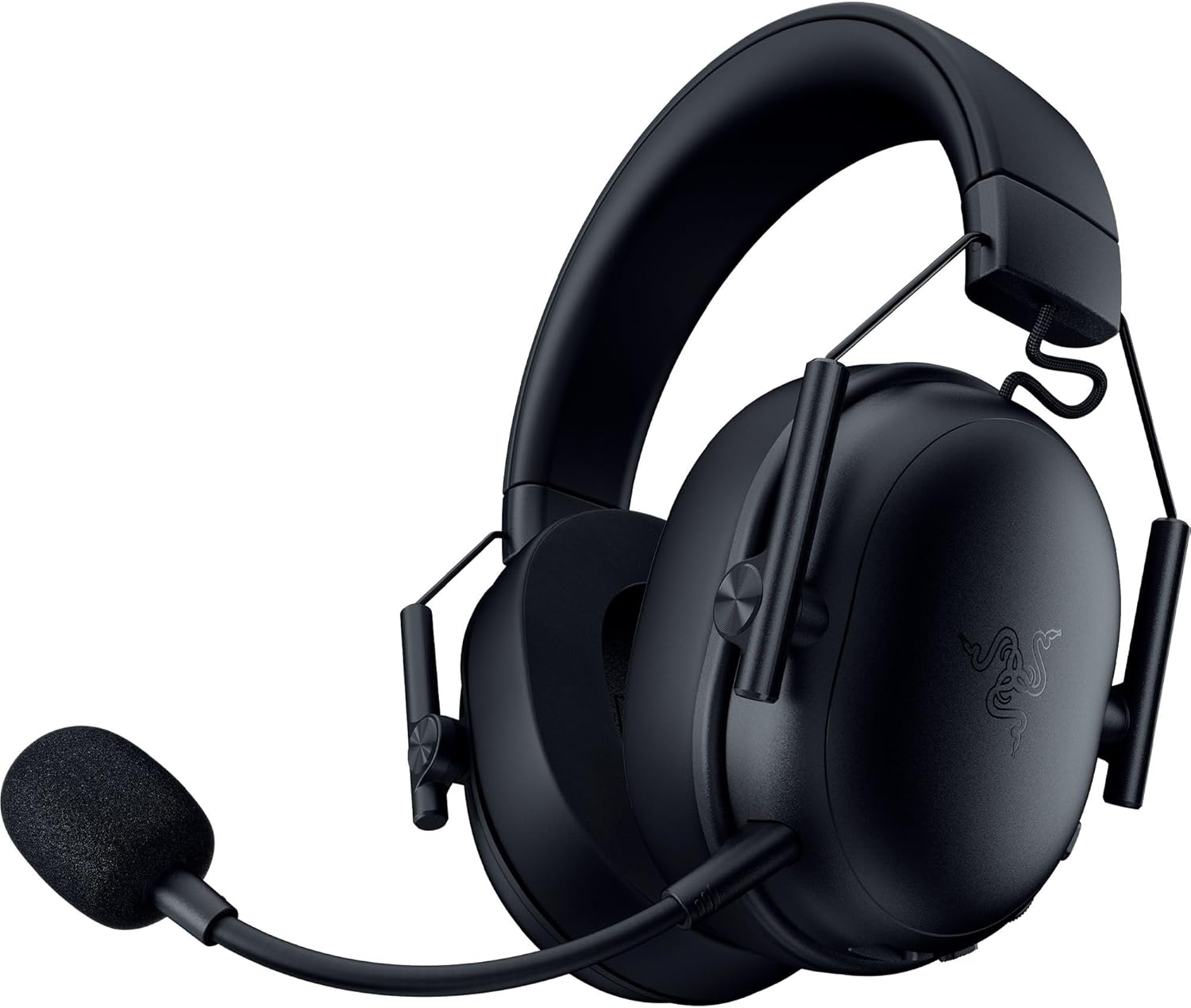
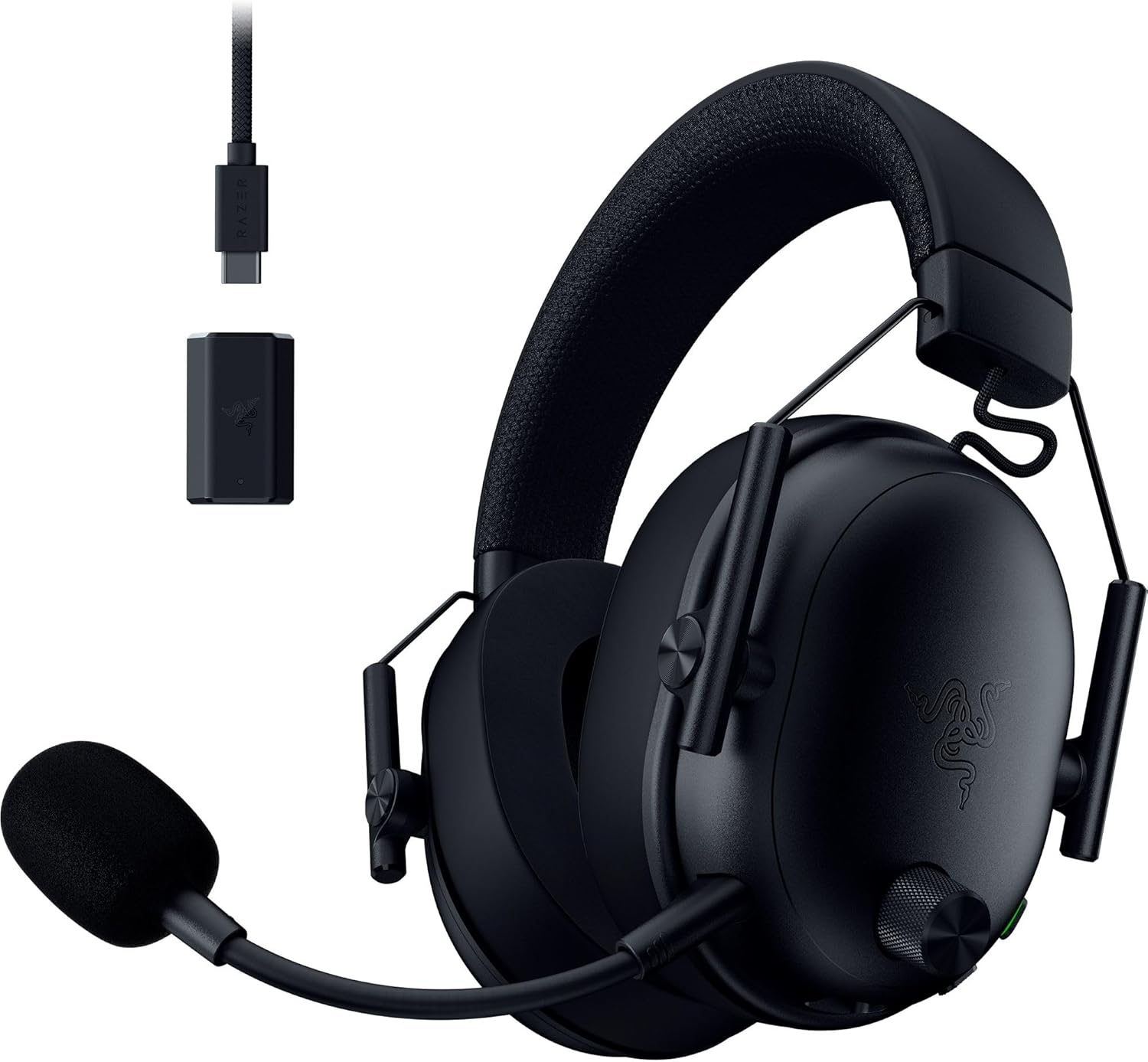
The Game Zero solves both problems with genuinely closed ear cups (not the semi-open "closed" designs many gaming headsets ship with) and oval memory-foam pads lined with leatherette. Independent measurements show roughly 20-25 dB of passive isolation across the speech band, which is enough to drop a screaming Honda EU2200i from "distracting" to "background hush." That margin is the difference between copying a marginal 20-meter SSB call and asking for a fourth repeat while the run frequency slips away.
Audio Signature Tuned for Voice Intelligibility
The 50 mm neodymium drivers are tuned with a modest presence lift between 2 and 4 kHz, which is exactly where SSB intelligibility lives. Bass is restrained rather than gaming-thumpy, so low-frequency atmospheric noise and AC mains hum from your inverter generator don't mask weak signals. Many contesters describe the sound as "radio-flat" — close enough to a Heil Pro 7 or BHI ProSet that you can run a long shift without ear fatigue, and clearer than a typical Yaesu MD-100 desk-mic-and-speaker combo for weak-signal work.
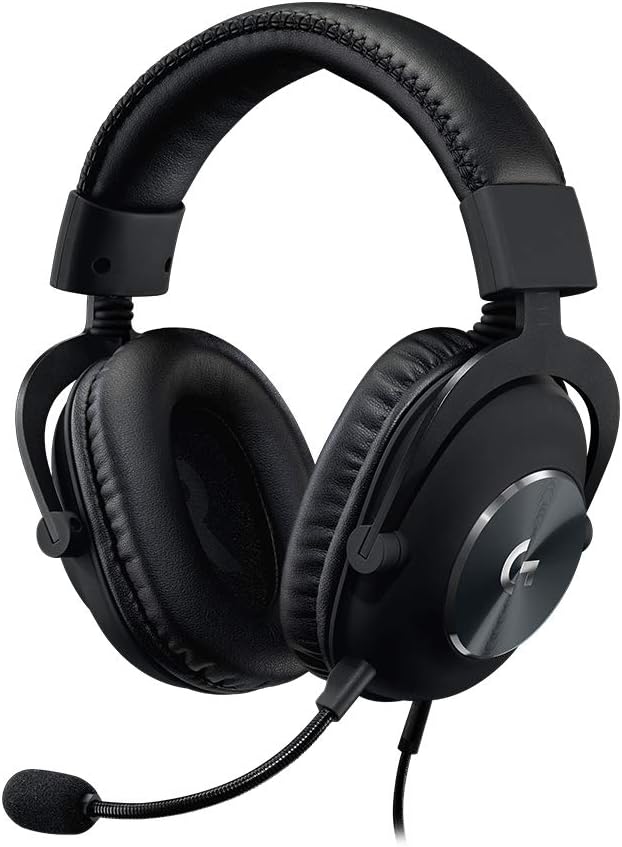
For digital modes like FT8 or RTTY, you'll mostly be listening to the band through your computer, but the Game Zero still earns its place: it lets you simultaneously monitor the radio in one ear and a Discord or TeamSpeak strategy channel with your club captains in the other if you wire the cable that way.
Microphone Performance: The Real Field Day Differentiator
The Game Zero's boom is a noise-canceling cardioid electret with a flexible gooseneck that locks into position. Two characteristics matter for field day:
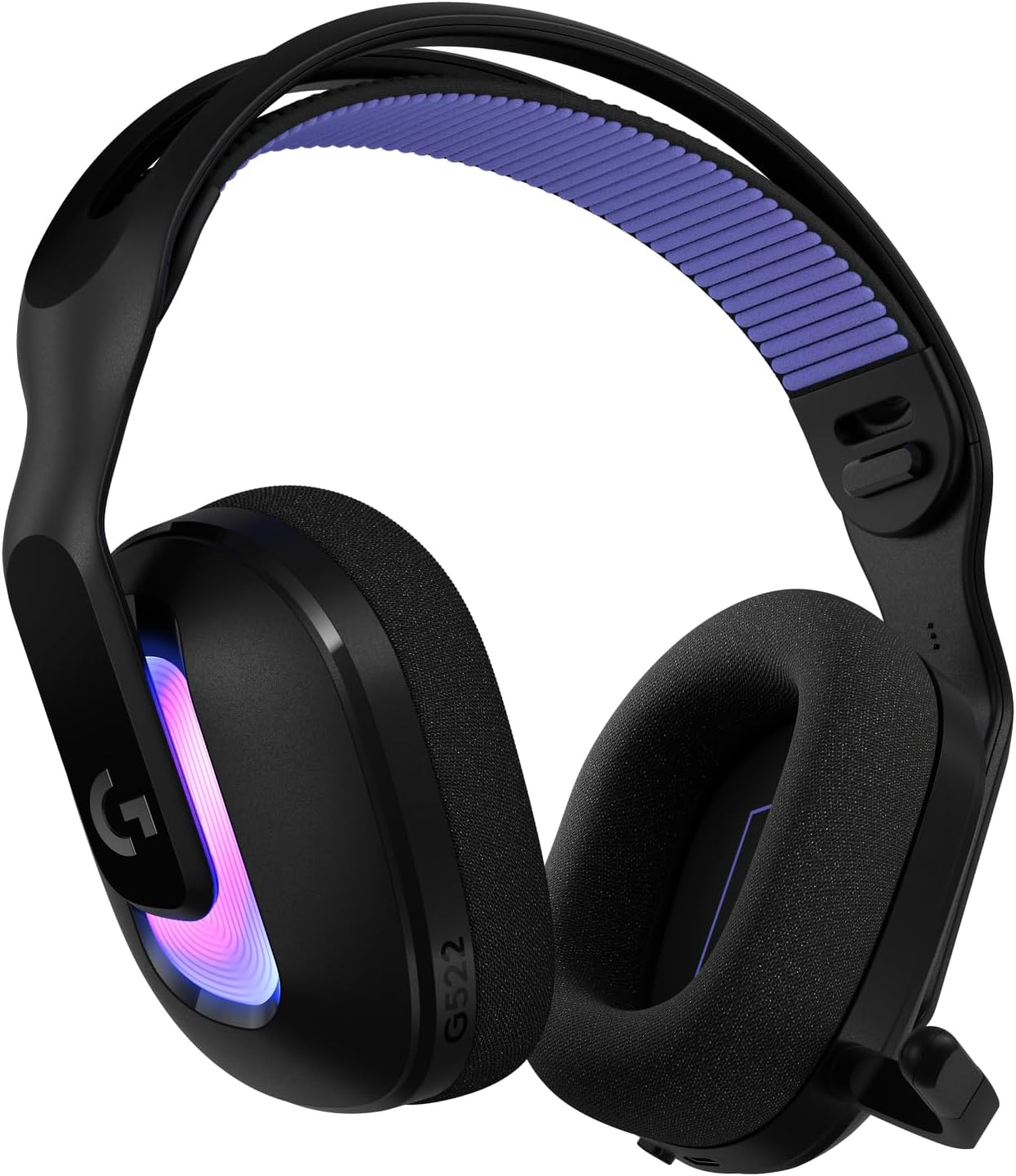
- Tight pickup pattern. The capsule rejects sound coming from behind and to the sides of the boom, which means the generator, the logger shouting "QSL," and your tent-mate's CW paddle don't end up modulating your SSB carrier.
- Mute-by-lift. Rotating the boom up past horizontal mutes the mic via a magnetic reed switch. No fumbling for a PTT or footswitch when you need to cough, sneeze, or yell across the tent for coffee.
You will need an interface to match the headset's 3.5 mm TRRS plug (or split TRS plugs on older versions) to your transceiver's mic and headphone jacks. The most common solutions are a West Mountain Radio RIGblaster, a homemade resistor pad to drop the electret level to dynamic-mic territory, or a commercial adapter from Heil or BHI. The Game Zero's mic outputs about -30 dBV, which is hot for most rig accessory ports, so plan on 20-30 dB of attenuation plus DC bias for the electret element.
Comfort Over a 24-Hour Operating Period
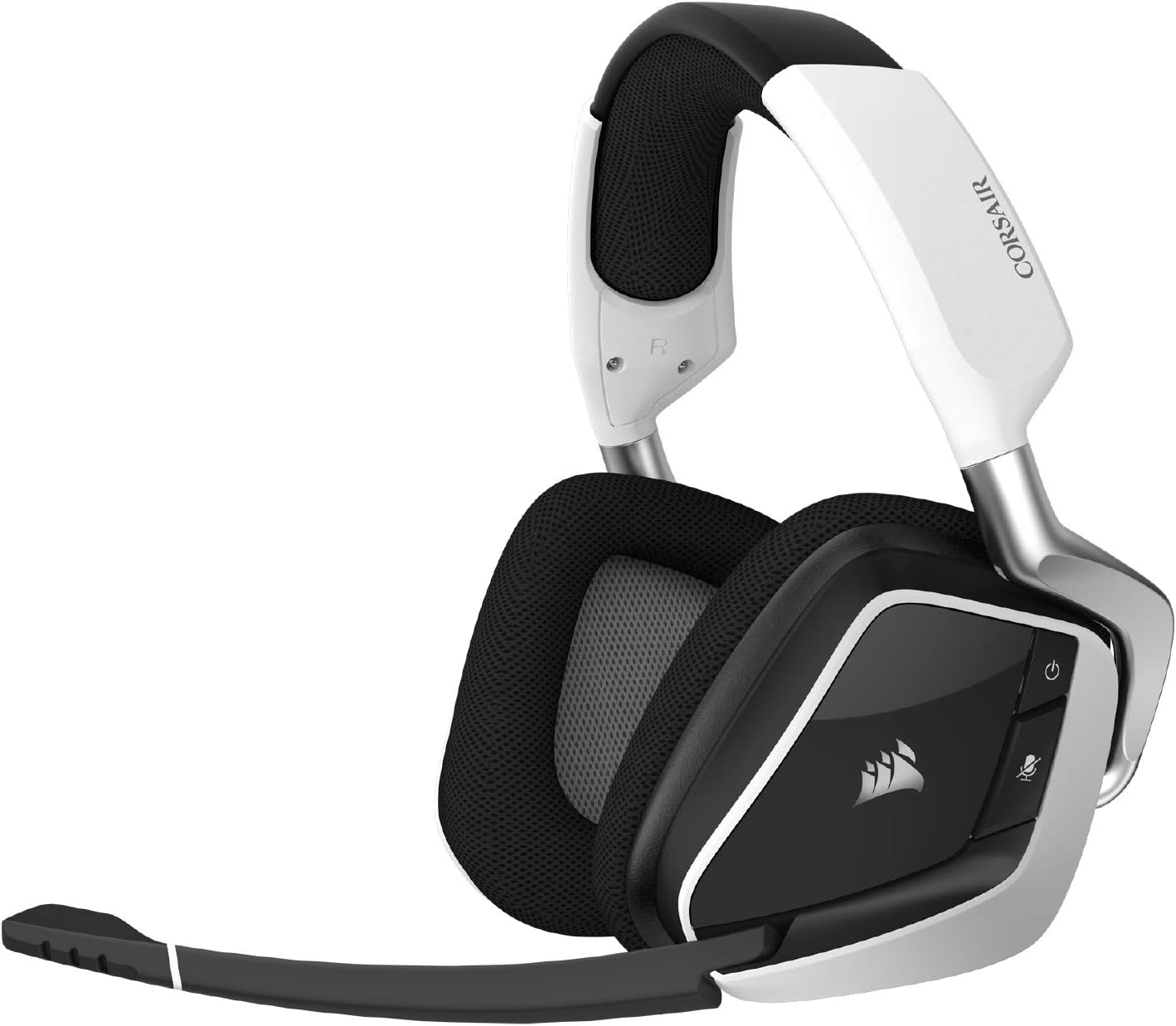
Field day is a marathon. The Game Zero weighs 363 g and uses a split-pad headband with two compliant rails rather than a single bar pressing on the crown. Most operators can wear it for 6-8 hour shifts without the hot-spot fatigue that plagues single-band headbands like the older HD 280 Pro. The XL oval pads clear average ears completely, so glasses wearers (read: most ham radio operators over 40) don't get the seal-breaking arm pinch common with on-ear gaming headsets.
Heat buildup is the one trade-off of closed-back leatherette. If you're operating from a sun-baked tent in July, plan on swapping to velour replacement pads, which Sennheiser sells separately. Velour drops isolation by 2-3 dB but cuts ear sweat dramatically.
Setting Up Your Field Day Logging Station Mouse
The Game Zero handles your ears; you still need a reliable mouse for N1MM Logger+, WSJT-X, or DXLog running on the laptop next to the rig. Field day mice get abused: damp picnic tables, pine-needle-clogged sensors, and the occasional spilled coffee. A few picks that pair well with a Game Zero contest station:
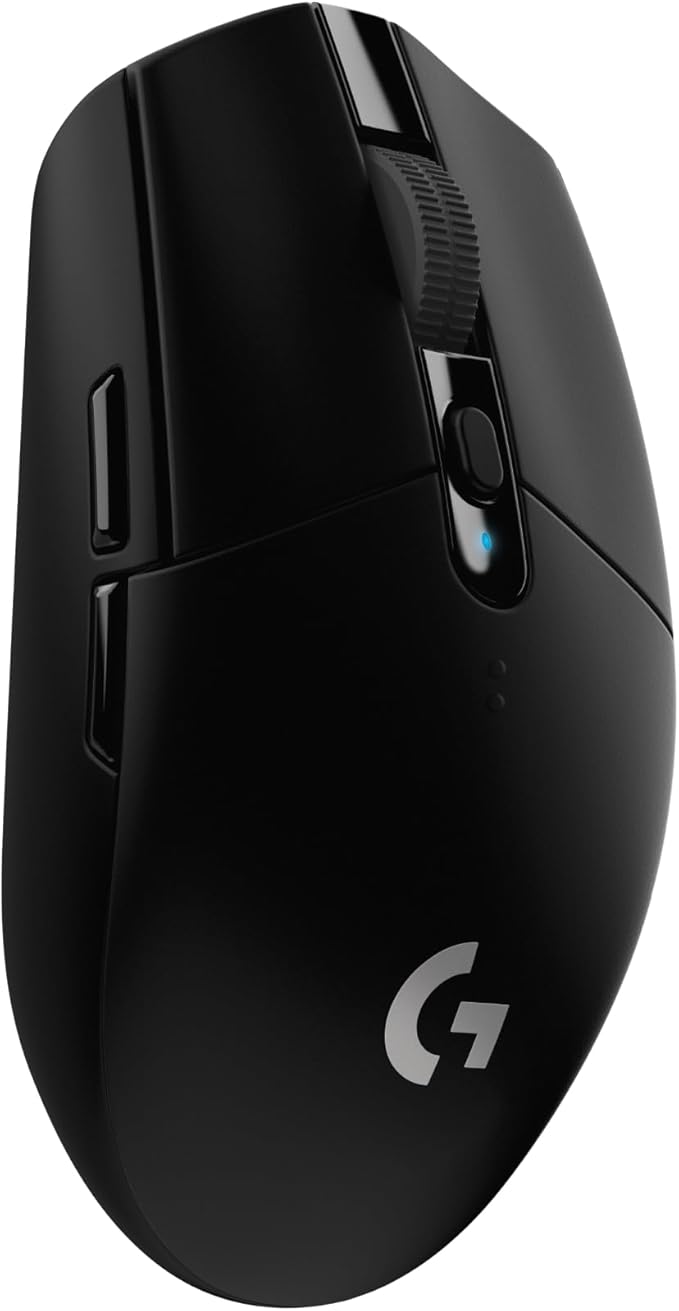
Logitech G305 Lightspeed Wireless Gaming Mouse
The G305 is the go-to field day mouse for clubs running on battery power. Lightspeed wireless gives you 1 ms response without USB cable clutter on a cramped folding table, and a single AA battery lasts roughly 250 hours — easily a full 24-hour contest plus setup, teardown, and the post-game wrap-up Zoom. The HERO sensor tracks reliably on rough surfaces like vinyl tablecloths and weathered plywood, which matters when your "desk" is whatever the club hauled out of a storage shed.
Check the Logitech G305 on Amazon
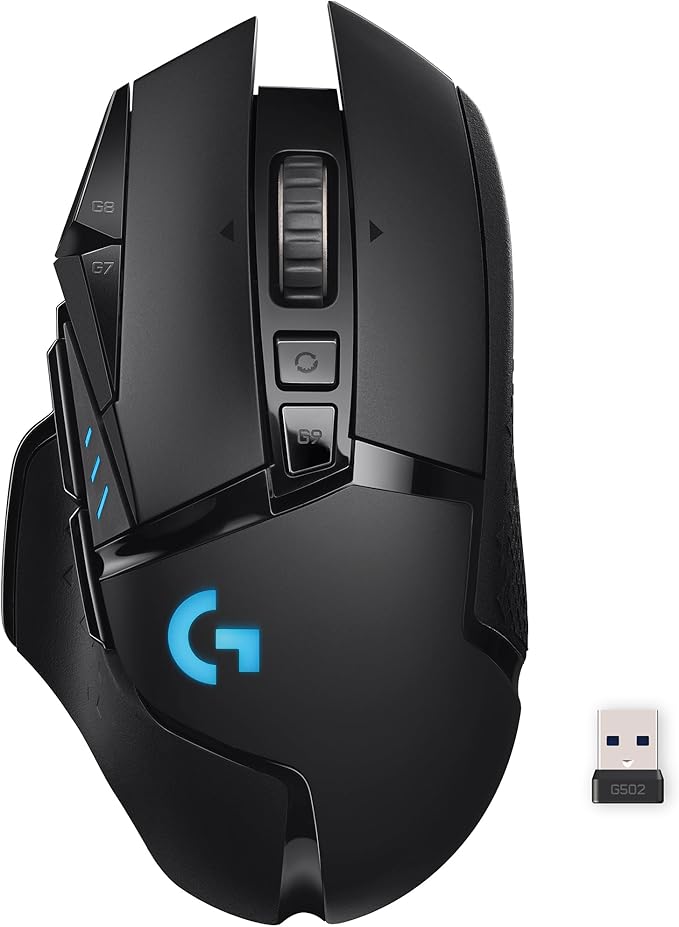
Logitech G502 Lightspeed Wireless Gaming Mouse, Hero 25K
If your logging operator handles SO2R (single op, two radios) and needs dedicated buttons for "log" "wipe" "grab" and "send F2," the G502 Lightspeed gives you 11 programmable buttons. N1MM macros bound to thumb buttons cut keystrokes per QSO substantially during a 100-Q/hour run on 20 meters. The 25K sensor is overkill for logging but the side-button density is the real selling point. Rechargeable via USB-C so you can top it off from a power bank during a band-change lull.
Check the Logitech G502 Lightspeed on Amazon
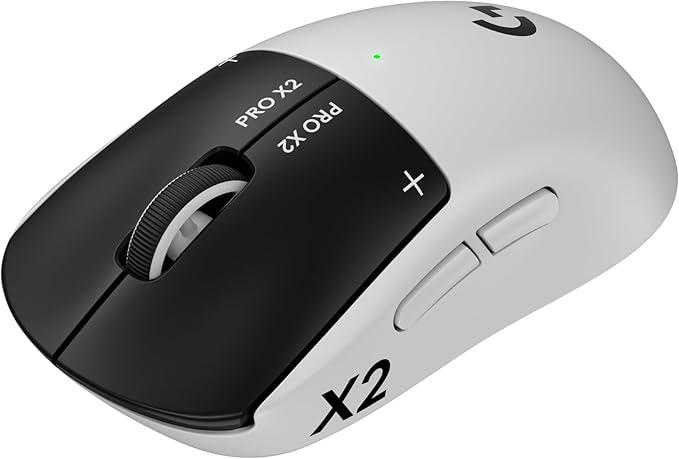
Logitech G PRO X2 SUPERSTRIKE Wireless Gaming Mouse
For the serious 1A or 2A field day captain who treats the contest like WPX, the G PRO X2 SUPERSTRIKE is the lowest-latency wireless mouse in the lineup. Its hall-effect switches eliminate the double-click failures that plague 2-3-year-old logging mice — a frequent cause of accidental duplicate-call entries during a fast run. Lightweight ambidextrous shell suits any operator who rotates into the seat.
Check the Logitech G PRO X2 SUPERSTRIKE on Amazon
Amazon Basics 2.4 GHz Wireless Optical Computer Mouse
Bring two. Field day mice get lost, dropped in coolers, and stepped on by curious Scouts during the public-outreach hour. A cheap backup is the difference between continuing to log and reverting to paper dupesheets. The Amazon Basics unit uses a standard 2.4 GHz USB-A dongle, runs on AA batteries (same as the G305, so you only stock one battery type), and costs less than a tank of generator gas.
Check the Amazon Basics Wireless Mouse on Amazon
Comparison: Logging Mice for Field Day Stations
| Mouse | Connection | Battery Life | Programmable Buttons | Best Field Day Role |
|---|---|---|---|---|
| Logitech G305 | 2.4 GHz Lightspeed | ~250 hrs (1x AA) | 6 | Primary logger, GOTA station |
| Logitech G502 Lightspeed | 2.4 GHz Lightspeed | ~60 hrs (rechargeable) | 11 | SO2R captain, macro-heavy ops |
| Logitech G PRO X2 SUPERSTRIKE | 2.4 GHz Lightspeed | ~95 hrs (rechargeable) | 5 | High-rate run station |
| Amazon Basics Wireless | 2.4 GHz USB | ~12 mo (2x AA) | 3 | Backup, public outreach laptop |
Wiring the Game Zero to Your Field Day Rig
The Game Zero terminates in a 3.5 mm TRRS combo connector (CTIA pinout). Most ham transceivers — Icom IC-7300, Yaesu FT-991A, Kenwood TS-590SG, Elecraft K3S — expect separate microphone (typically 8-pin round or RJ-45) and headphone (1/4" TRS) connections, with electret bias and impedance levels that don't match consumer gaming standards out of the box.
Three practical paths:
- Heil AD-1 series adapter matched to your rig's mic pinout, plus a simple 3.5 mm to 1/4" headphone adapter. Cleanest sound, highest cost.
- RIGblaster Advantage or Plug & Play, which provides electret bias, impedance matching, and PTT switching from your logging laptop. Adds digital mode capability as a bonus.
- DIY pad: a 1 µF blocking capacitor, a 4.7 kΩ bias resistor from +5 V (USB power works), and a 100:1 resistive divider to drop the mic level. Total parts cost under $5, fits in a small enclosure clipped to the rig.
Test your audio with a local buddy or off-air dummy load before Saturday at 1800Z. Mic gain set too hot causes splatter that earns angry messages from adjacent run stations and disqualifies clean log entries.
Field Day Operating Tips with a Closed-Back Headset
A few habits separate operators who thrive in a Game Zero from those who give up by midnight:
- Set your sidetone audibly. CW operators using a Game Zero often crank sidetone higher than they would on speaker monitoring; the isolation makes the rig feel "distant" otherwise.
- Use one ear, one logger. Route logger spotting alerts to the right channel only via your rig's audio routing or a software mixer like VoiceMeeter, so you can hear the band in your left ear and your team in your right.
- Pop a pad off during break. Pulling one ear cup behind the head for 5 minutes per hour eliminates 90% of long-shift discomfort.
- Bring a backup headset. The Game Zero is robust but a single broken boom mic ends your run. A spare Heil or Yamaha CM500 stays in the gear bin.
For deeper builds, see our closed-back headsets for contest operating guide and the companion piece on field day station accessories for power, antennas, and tents. If you're still choosing logging hardware, the ham shack logging mouse comparison goes deeper into shapes and switch life, and our gaming headset to radio adapter guide walks through every common rig.
Frequently Asked Questions
Is the Sennheiser Game Zero better than the Heil Pro 7 for SSB contesting?
The Heil Pro 7 has a swappable HC-7 vs iCM mic element and is purpose-built for ham radio, with proper rig adapters in the box. The Game Zero costs roughly 40% less, has better passive isolation, and is more comfortable for most heads, but you'll need to source a microphone interface separately. For pure intelligibility on 75/40 SSB, the Pro 7 with HC-7 wins narrowly; for value and comfort across mixed modes, the Game Zero wins.
Can I use the Sennheiser Game Zero on a Yaesu FT-891 in mobile field day setups?
Yes, with a microphone adapter that provides electret bias. The FT-891's RJ-45 mic jack carries +5 V on pin 6, which can be routed through a small interface box to bias the Game Zero's electret capsule. Audio quality on the FT-891's processed SSB is excellent with the Game Zero's flat-ish response and the rig's parametric EQ tuned to taste.
Does the Game Zero work for CW contesting on field day?
Absolutely. CW operators benefit from the closed-back isolation even more than SSB ops because copying weak signals in QRN demands undivided attention. Set the sidetone to a comfortable level (typically 600-700 Hz for most operators) and the Game Zero's tight bass keeps low-frequency noise from masking the tone.
How do I stop generator hum from bleeding into my transmit audio?
Three steps: position the generator at least 50 feet downwind of the operating tent, route the headset cable away from any AC mains runs to avoid induced hum, and confirm your rig's mic gain is set so peaks hit -6 dB on the ALC meter rather than full deflection. The Game Zero's cardioid pickup pattern handles the rest.
What's the best way to share a Game Zero between multiple field day operators?
Carry a pack of disposable foam ear pad covers (the kind used on airline headphones) and have each operator slip a fresh pair on before their shift. Wipe the boom mic with an alcohol wipe between operators. This keeps the headset hygienic during a 24-hour multi-op rotation without slowing changeovers.
Will the Game Zero hold up to outdoor humidity and dew at a field day site?
The Game Zero is not weather-sealed, but it tolerates the dew and humidity of a typical June or July contest weekend without issue. Store it in a sealed dry bag during overnight downtime to prevent condensation on the drivers. Avoid direct rain exposure; the boom mic capsule is the most vulnerable component.
Can I run the Game Zero into N1MM for digital voice keyer playback?
Yes. Plug the headset into your laptop's combo jack (or a USB sound card like a SignaLink) and configure N1MM's audio devices to route the voice keyer output to that interface. The Game Zero's flat response reproduces your recorded "CQ field day" .wav files cleanly, and you'll hear them at the same level as live band audio, which helps you catch any glitches before they go on the air.
Key Takeaways
- Choosing the right sennheiser game zero for ham radio field day means matching capacity and output ports to your actual devices
- Always check actual watt-hours (Wh), not just watts — runtime depends on Wh, not peak output
- Also covers: headset for amateur radio contesters
- Also covers: game zero ham radio use
- Also covers: best gaming headset for ssb contests
- Compare price-per-Wh across models to find the best value for your budget